Boil it Down. Make it Sticky.
A Texas cold front and the art of saying less.
Lessons from a Texas Cold Front
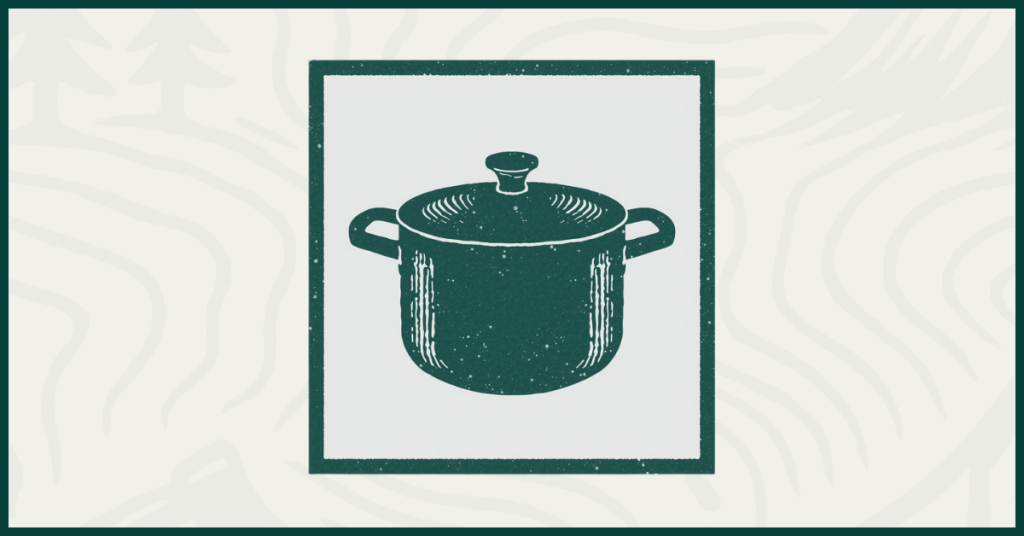
Earlier this week, North Texas slipped under 40 degrees for the first time this season. Overnight, fleece tech vests appeared everywhere and the trees finally committed to changing color. At my house, that first cold snap means warm apple cider on the stove. Cinnamon in the air. A little bourbon and elderflower liqueur for good measure. The kind of scent that wraps your bones and convinces you it’s going to be a good night.
I set the pot to simmer and moved on with dinner. Then I stepped outside. The patio fire was going, the family was talking, and the evening felt too good to hurry. I lingered. We laughed. And I completely forgot about the saucepan.
When I finally remembered, the cider had boiled down into something closer to tar than a drink. A thick, sticky mess. I figured I’d ruined it.
Then curiosity won. I tasted it.
What I expected to be a disaster turned out to be one of the most concentrated, absurdly delicious flavors I’ve ever made. By reducing it to its essence (by removing everything but the core) I’d created something better than the original. Drizzled over ice cream, it was unforgettable.

Oops. I like it.
The Storyteller’s Syrup
A great story does the same thing. It reduces. It clarifies. It finds the flavor that matters and ditches the rest.
Research in learning science indicates that information is retained far more effectively when wrapped in narrative rather than presented as isolated data. Some studies show significantly higher recall rates for story-based content compared to standalone facts. When complexity drops, so does cognitive load. And comprehension rises.
Deep down, we know this. Humans have relied on story to communicate meaning long before anyone built the first slide deck.
But corporate culture has other ideas.
More Like Jambalaya
The modern workplace silently trains leaders to complicate. Add more bullets. Add more charts. Add more backup, just in case. Layer ingredient on top of ingredient until the meaning struggles to breathe.
This instinct doesn’t come from malice. It comes from fear. Fear of leaving something out. Fear of seeming unprepared. Fear of not looking “thorough.”
But the leaders who actually move people—the ones who create momentum, alignment, and belief—do something braver. They distill. They choose what matters. They trust story to do the heavy lifting.
The Brain Knows What It Wants
People don’t naturally latch onto complexity. They latch onto arcs. Characters. Stakes. Turning points. Meaning. A story doesn’t eliminate rigor. It organizes it. It gives shape to reality so the audience can understand it and act on it.
When a leader says, “Here’s the challenge, here’s who’s feeling it, here’s what’s changing, here’s where we’re going,” the room exhales. They can follow. They can engage. They can remember.
Reduce Something Today
Take one complex idea you need to communicate next week.
Reduce it. Boil off everything that isn’t essential.
Then frame what remains as a story: problem, turning point, outcome.
See what flavor emerges.
Sometimes removing the excess isn’t a loss at all. Sometimes it’s the secret to unforgettable.
“Simplicity is the ultimate sophistication.”
keep readingMore from Life After Decks
All issues →


putThe Campfire Method to work
- One reader
A deeper look at how leaders move important ideas from understanding to belief to action.
Get the book → - One leader
Six weeks of focused support for a leader preparing for a high-stakes moment.
Explore the Presentation Sprint → - One team
A one-day experience for leadership teams to build stronger skills for selling complex, high-stakes ideas.
Plan a Campfire Method Workshop → - One company
For organizations that want a shared method for how important ideas travel.
Explore Enterprise Storytelling →